So, you’ve decided it’s time to give your ride a personality upgrade. Maybe you want that aggressive, tucked-in look for the local car meets, or perhaps you’re looking to shave a few seconds off your lap times. Suspension modifications are one of the most rewarding ways to transform how your car feels and looks.
But here’s the reality: suspension is a complex science of geometry, physics, and fine-tuned balance. It’s easy to spend thousands of dollars only to end up with a car that bounces like a pogo stick, eats through tires, and feels downright dangerous on Long Island’s less-than-perfect roads.
The good news? Most of these headaches are completely avoidable. If you’ve already started modding and things feel “off,” or if you’re just planning your build, we’ve put together a guide to the seven most common mistakes we see at All Out Motorworks: and exactly how you can fix them to get the performance you actually paid for.
1. The “Frankenstein” Kit: Mixing and Matching Components
It’s tempting to hunt for deals. You find a set of springs on a forum, buy some “performance” shocks from a different brand on sale, and grab some sway bars from a third manufacturer. On paper, you’ve saved money. On the road, you’ve created a “Frankenstein” suspension.
The Problem: Suspension components are designed to work as a cohesive system. The spring rate (how much weight it takes to compress the spring) needs to match the valving of the shock absorber (how the shock controls that movement). When you mix and match, you often end up with a mismatched setup where the shocks can’t handle the springs, leading to a harsh ride or poor handling.
The Fix: Whenever possible, buy a complete suspension kit engineered by a single manufacturer. These companies have spent hundreds of hours testing how these specific parts interact. If you are determined to build a custom setup, consult with a professional who understands suspension modifications on Long Island and can help you calculate the correct spring and damping rates for your specific vehicle weight and goals.
2. Choosing the Wrong Spring Rate
We get it: you want your car to feel “planted.” Many people assume that “stiffer is always better” for performance. They buy the highest spring rates available, thinking it will eliminate body roll and make the car feel like a go-kart.
The Problem: If your springs are too stiff for the street, your tires will actually lose contact with the road when you hit a bump. Instead of the suspension absorbing the impact, the entire car bounces. On the rougher patches of the Long Island Expressway, an overly stiff car becomes unpredictable and exhausting to drive.
The Fix: Be honest about how you use the car. If it’s a daily driver with the occasional spirited weekend run, look for progressive-rate springs. These are softer during initial compression (for comfort) but stiffen up when you’re pushing through a corner. If you aren’t sure what you need, checking the signs that your steering or suspension needs attention can help you identify if your current setup is already failing you.

3. Keeping Your Stock Shocks with Lowering Springs
This is arguably the most common mistake in the book. You buy a set of lowering springs to close that “fender gap,” but you decide to keep your factory shock absorbers to save a few bucks.
The Problem: Factory shocks are designed to operate within a specific range of travel. When you install lowering springs, you force the shock to sit much lower in its stroke. Not only does this wear out the internal seals rapidly, but the factory shock isn’t valved to handle the increased stiffness of the new springs. The result is a “bouncy” ride that feels like you’re on a boat in a storm.
The Fix: Always treat springs and shocks as a pair. If you’re lowering the car more than an inch, you need short-stroke performance shocks or, better yet, a full coilover system. Coilovers allow you to adjust both the height and the damping, giving you total control over the ride quality.
4. Skipping the Post-Install Alignment
You’ve spent all Saturday in the garage getting the new parts in. The car looks great. You take it for a spin around the block, and it seems fine. You figure you’ll get around to an alignment “eventually.”
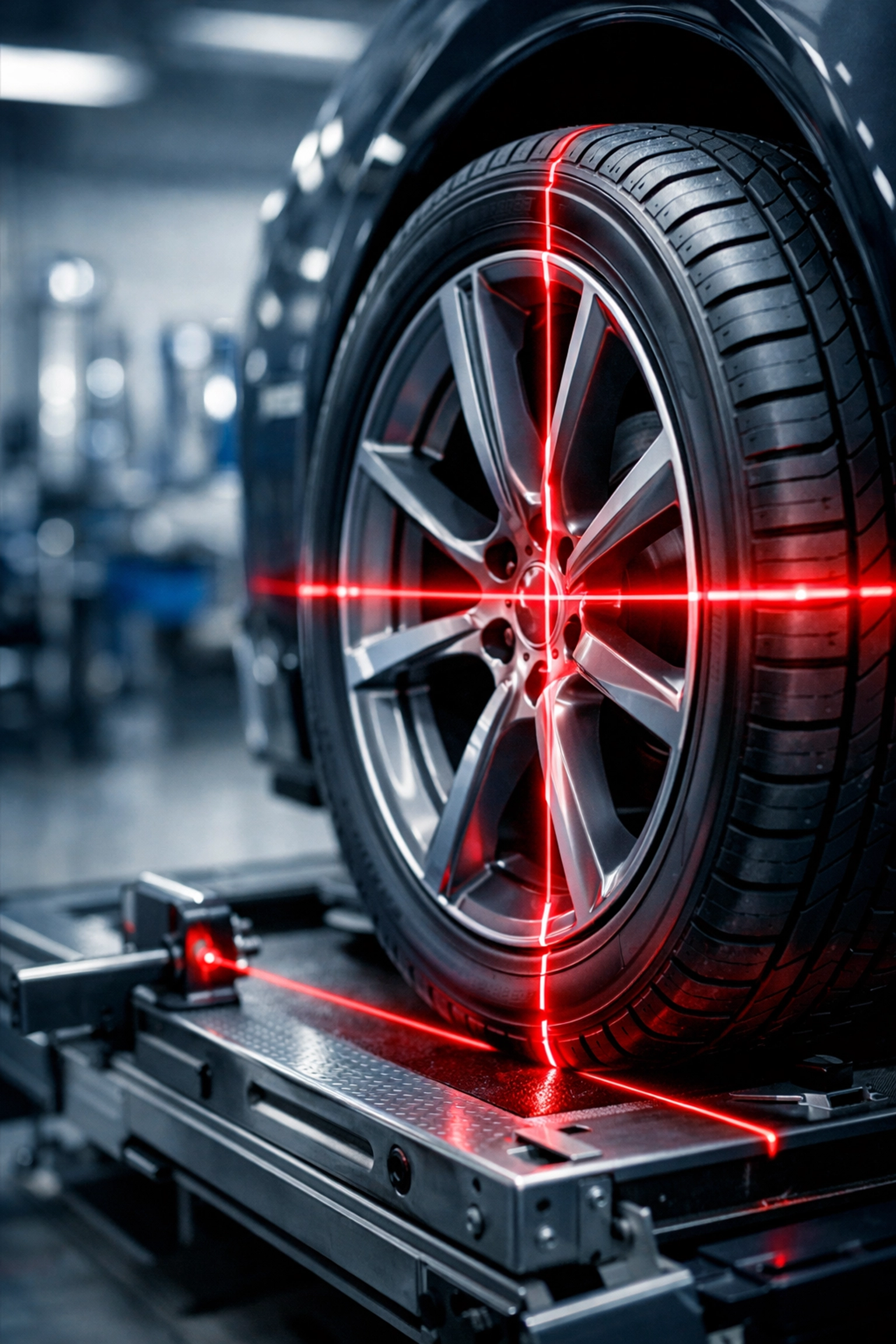
The Problem: Any time you change the height of your vehicle, you change its toe, camber, and caster settings. Even a small drop can cause your tires to point inward or outward. Within a few hundred miles, you can completely ruin a brand-new set of tires. Beyond tire wear, an unaligned car will “dart” across the lane or feel unstable at high speeds.
The Fix: An alignment isn’t optional; it’s the final step of the installation. Once your new suspension has had a day or two to “settle,” take it to a shop that specializes in performance alignments. This is especially important for maintaining vehicle efficiency and safety. Don’t let a $100 oversight turn into a $1,000 tire bill.
5. Forgetting to “Clock” Your Bushings
This is a technical mistake that even some “pro” shops miss. When you install new suspension components, you usually tighten all the bolts while the car is up on jack stands with the wheels hanging down.
The Problem: Most suspension joints use rubber bushings. When you tighten the bolts with the suspension hanging (at full droop), the rubber is “set” in that position. When you lower the car to the ground, the bushings are immediately twisted under extreme tension. This leads to a harsh ride and causes the bushings to tear and fail prematurely.
The Fix: This is a simple but vital fix. Leave the main pivot bolts slightly loose while the car is in the air. Lower the car onto its own weight (or use ramps), and then torque the bolts to spec. This ensures the bushings are in a “neutral” position at your new ride height. It’s a small detail that makes a massive difference in how long your parts last.
6. Ignoring Suspension Geometry and Clearance
When you change the height of a car, you aren’t just moving the body closer to the ground; you’re changing the angles of your control arms, CV axles, and tie rods.
The Problem: If you drop a car too low without supporting mods, you might experience “bump steer” (where the car steers itself when hitting a bump) or put extreme stress on your axles. Furthermore, you need to check for clearance issues. There’s nothing worse than the sound of your expensive tires rubbing against the fender liner every time you turn the steering wheel.
The Fix: Look into geometry correction kits, such as roll-center adjusters or adjustable control arms. These parts help bring the suspension back to its ideal operating angles even when lowered. Also, always do a “full lock” test: turn your steering wheel all the way to the left and right while the car is on the ground to ensure nothing is rubbing. If you’re noticing strange noises after a mod, it might be time for general maintenance to ensure nothing else is being damaged.
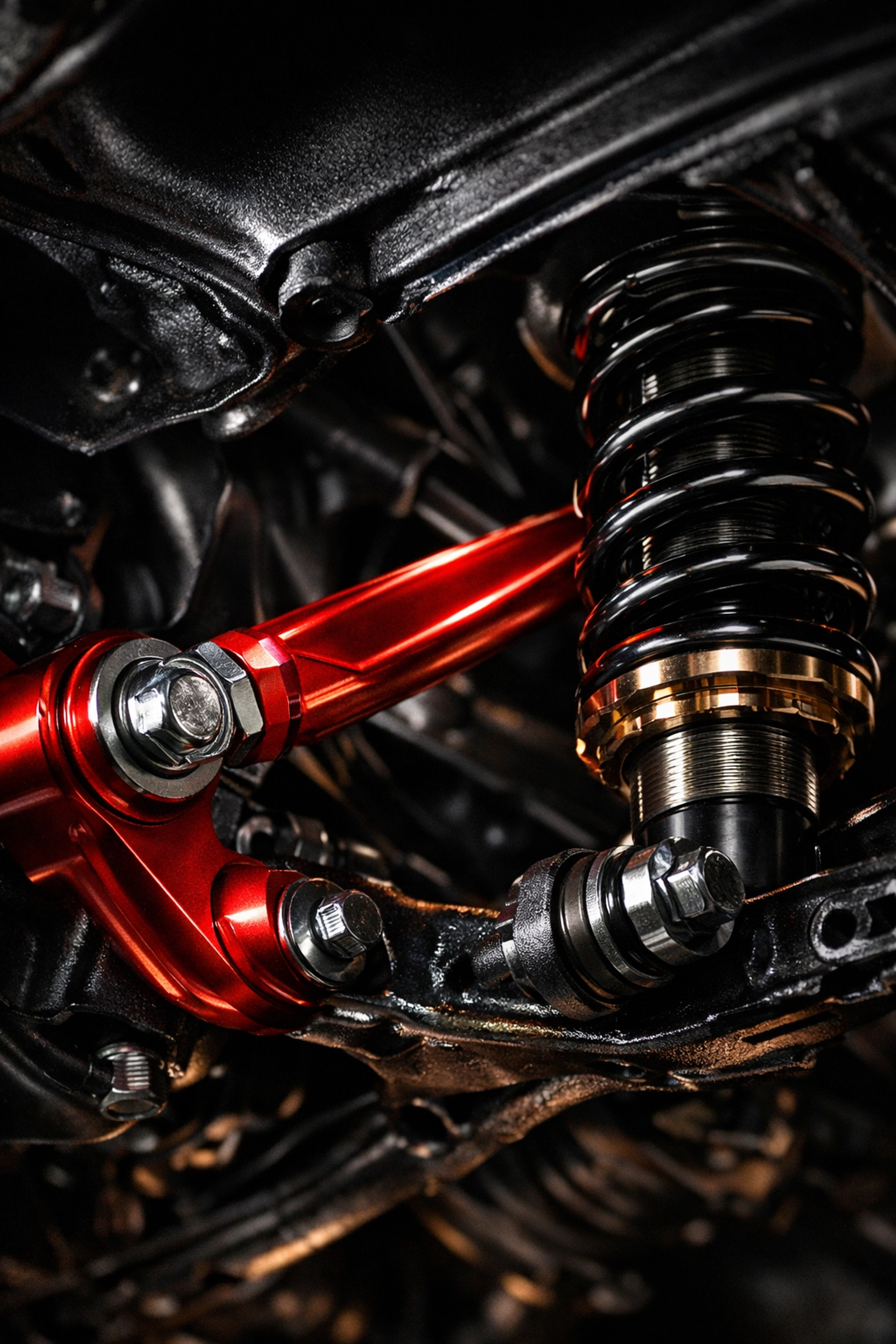
7. Going for “The Look” over Functionality
We see it all the time on social media: cars “stanced” so low they can’t drive over a speed bump, with wheels tilted at extreme angles. While it might look cool in a photo, it’s a nightmare to drive in the real world.
The Problem: Extreme camber (tilting the wheels) reduces the “contact patch”: the amount of tire actually touching the road. This means less grip for braking and turning. Additionally, if your car is so low that the suspension has zero room to move (travel), every pebble on the road will feel like a boulder.
The Fix: Find a balance. A “functional drop” usually leaves about a finger’s width of gap between the tire and the fender. This gives you the aesthetic upgrade while still allowing the suspension to do its job: absorbing bumps and keeping you safe. If you’re planning on keeping the car for the long haul, remember that extreme setups often lead to the need for body shop services due to scraped undercarriages and cracked oil pans.
Pro Tip: The “Endgame” Plan
Before you buy a single bolt, ask yourself: What is the goal? Is this a daily commuter that needs to look better, or a dedicated track toy?
At All Out Motorworks, we believe in doing it right the first time. Suspension modifications are an investment in your driving experience. By avoiding these seven mistakes, you’ll ensure that your car doesn’t just look the part, but performs better than the day it left the factory.
If you’re on Long Island and feeling overwhelmed by the options, or if your current setup just doesn’t feel right, come see us. From basic tune-ups to full-scale performance builds, we’re here to help you get the most out of your machine.